The single highest-return improvement available to most hardscape and patio contractors is not their website, their ads or their branding. It is photographing their finished work properly.
The work is usually excellent. The photographs are usually taken at two in the afternoon on a phone, from standing height, with the ute still in shot.
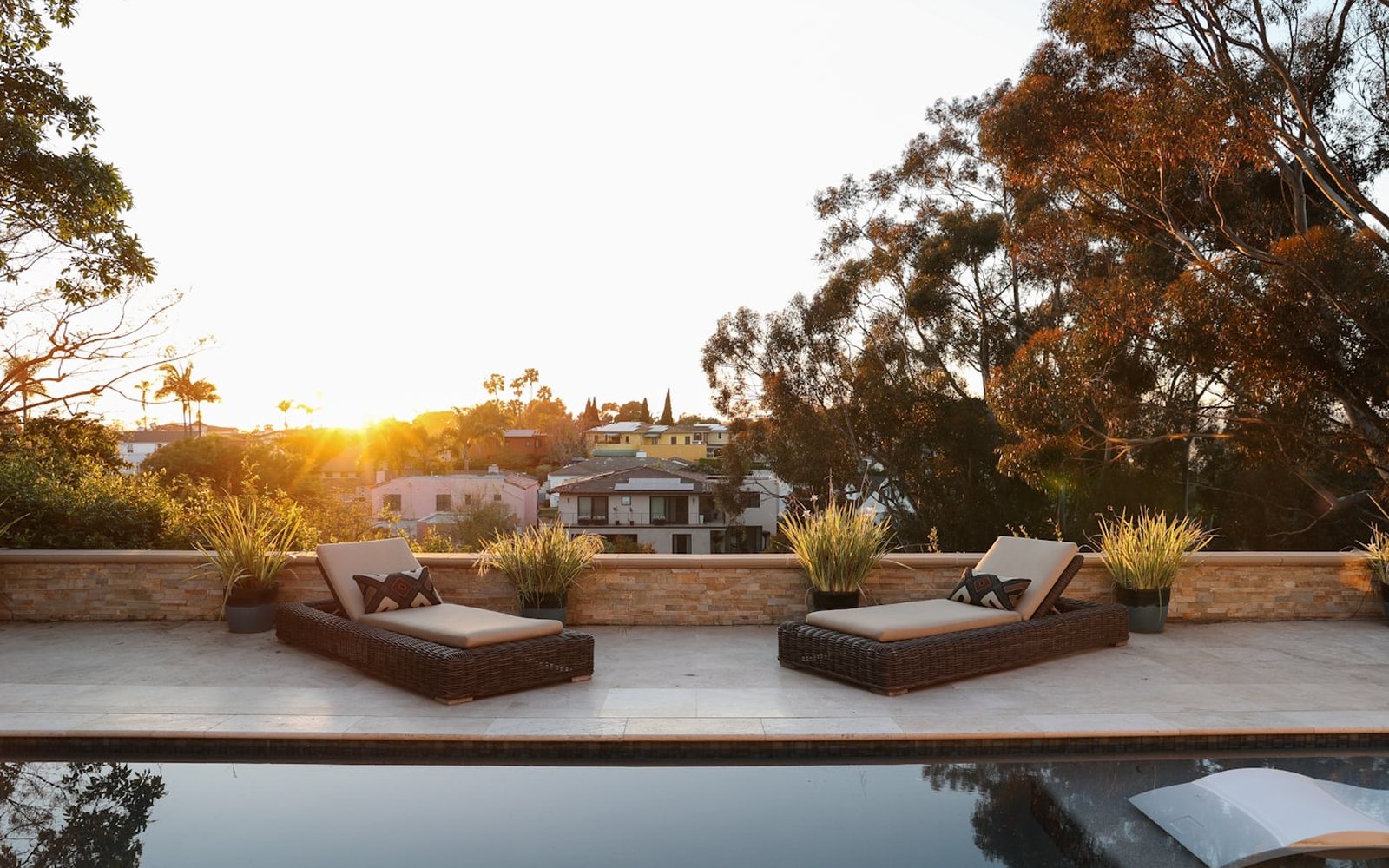
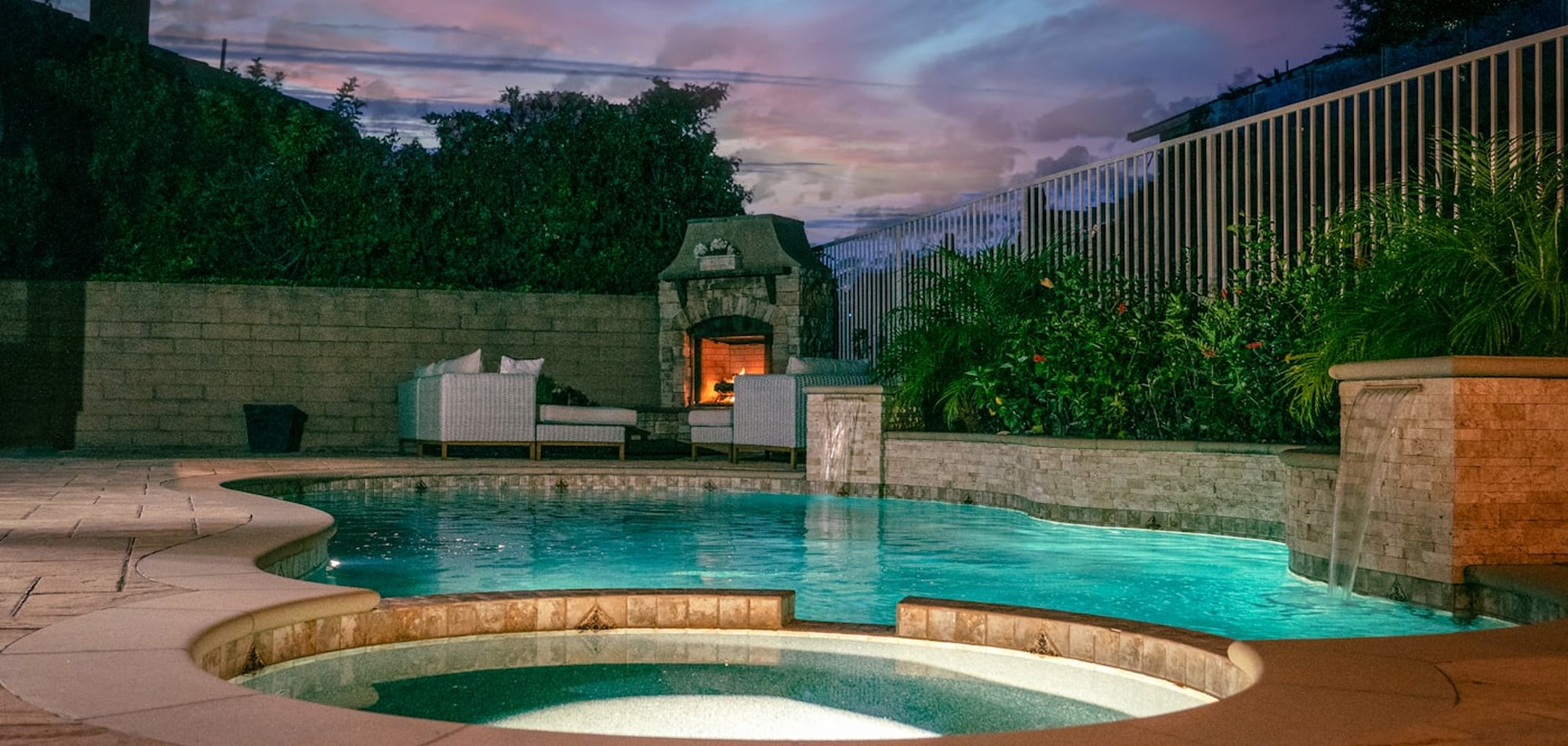
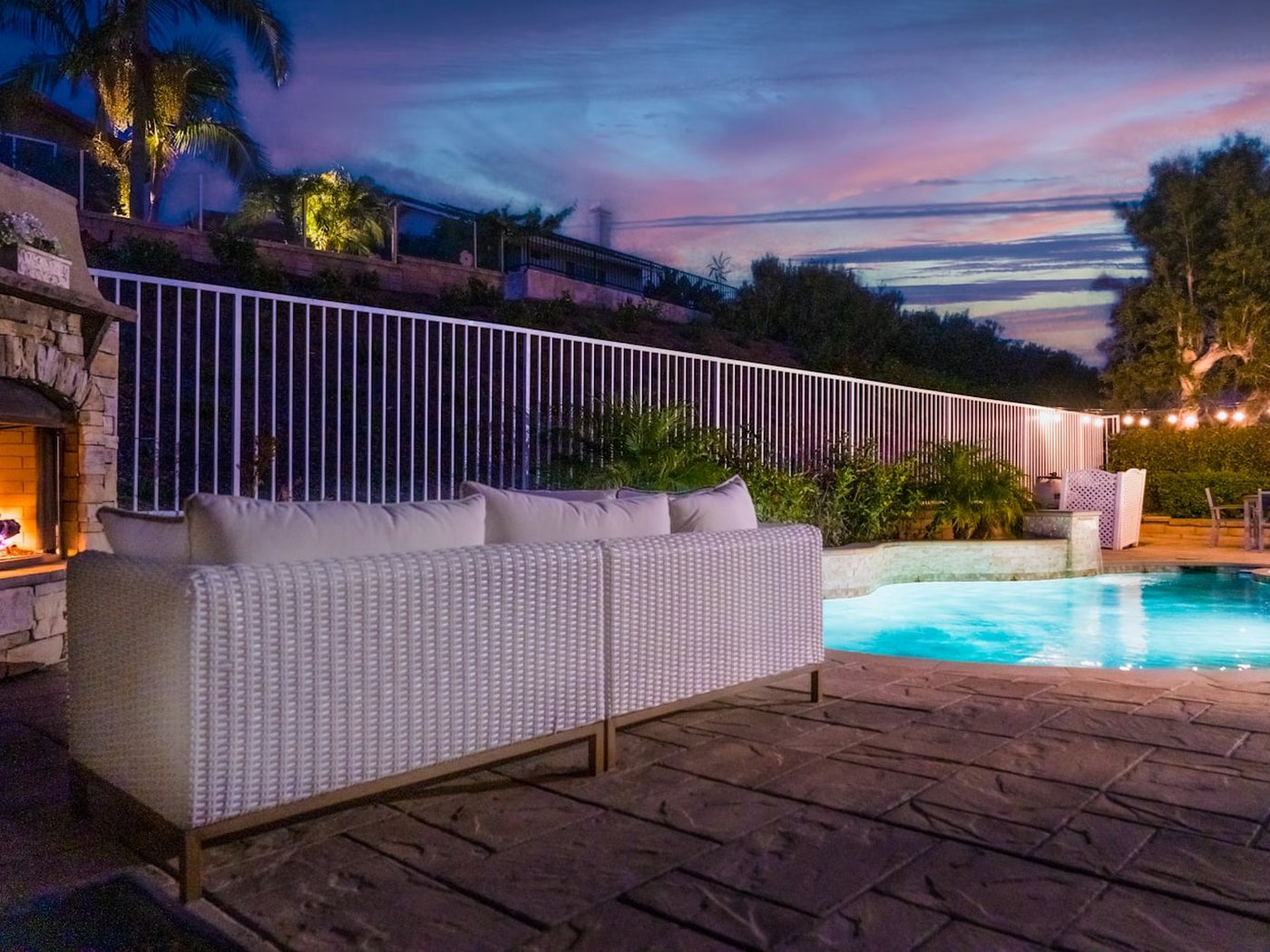
Shoot at dusk
Harsh midday sun flattens texture and blows out pale paving. The twenty to forty minutes after sunset — when the sky still holds colour and any installed lighting has come on — is when outdoor spaces look the way people imagine using them.
This is the entire difference between a photograph that documents a job and one that sells the next one. It costs nothing but scheduling.
Get low, and get the whole space
Phone photographs taken from standing height look like inspection records. Crouch to roughly seated height — around a metre — and the space suddenly reads as somewhere a person would be, rather than something being surveyed.
Include the context: the house, the planting, the furniture, the transition from indoors. Buyers are not purchasing paving. They are purchasing an evening in that space, and the photograph has to contain enough of it for them to imagine being there.
Stage it, lightly
Not a magazine styling exercise. Just remove what does not belong and add what suggests use. Take away hoses, bins, offcuts, signage and vehicles. Put out the furniture if it is on site. Two glasses on the table. Cushions straightened. Fire feature lit.
Ten minutes of tidying improves a photograph more than any camera upgrade.
Shoot the same frame before and after
Before-and-afters are the most persuasive material a hardscape contractor can own, and they are almost always ruined by being shot from different positions in different light.
Take the before photograph from a marked position, note roughly where you stood, and return to the same spot for the after. Matched pairs are dramatically more convincing than mismatched ones, and they cost only the discipline of remembering.
Cover the details
Wide shots sell the space. Close shots sell your workmanship. Photograph the joints, the edge restraint, the step nosings, the way the paving meets the pool coping. These are what a discerning buyer looks at and what separates you from whoever quoted thirty per cent less.
Practical kit
A recent phone is sufficient for most of this. If you buy one thing, make it a small tripod, because dusk photographs need a stable camera and handheld shots at low light are where most attempts fall apart.
Shoot in the highest quality setting available, keep the originals, and give your web person the full-size files rather than something already compressed by a messaging app. Compression is easy to add later and impossible to remove.
Build the habit
A repeatable shot list
The reason most contractors' photography is inconsistent is that there is no list. Every job gets whatever the site foreman thought to take. Fix that with a standing list of eight frames, taken on every completed job, in the same order:
- The hero. Wide, at dusk, from roughly seated height, including the house and planting.
- The reverse. The same space looking back toward where you stood, so the whole area is legible.
- The approach. How you arrive at the space from the house. This is how the client experiences it daily.
- The seating vignette. Furniture, fire feature, table set. Closer, warmer.
- The detail. Joints, edge restraint, step nosings, coping. Your workmanship.
- The transition. Where the paving meets grass, pool or decking. Where cheap jobs look cheap.
- The lighting. One frame that exists only to show the space works after dark.
- The matched before. Taken from the hero position on day one, before anything is touched.
Eight frames takes about twenty minutes once it is habitual. Over a season that is a genuine library rather than a folder of assorted phone pictures.
What to do with the weather
Overcast is better than most people think. Flat cloud is a giant softbox: it removes harsh shadow, keeps pale paving from blowing out, and renders texture evenly. A bright overcast afternoon is a perfectly good second choice when dusk is not available.
Direct midday sun is the one to avoid. It produces black shadows and white highlights in the same frame, and no amount of editing recovers both.
Rain immediately after is worth knowing about too — wet paving saturates colour dramatically and reads as richer. Photograph a job ten minutes after a shower and it will look considerably better than it did an hour earlier.
Editing, lightly
Three adjustments handle almost everything, and all three are available on a phone.
Straighten. A tilted horizon or a leaning wall makes competent work look amateur. This is the single highest-return edit and it takes four seconds.
Lift the shadows slightly. Dusk shots hold more detail in the dark areas than the preview suggests. A modest lift recovers planting and paving texture.
Leave the colour alone. The most common mistake is pushing saturation until the pool is an unnatural cyan and the grass is luminous. Clients notice, and it makes the whole portfolio look untrustworthy — if the photographs are exaggerated, what else is?
Getting client permission properly
Ask at handover, in writing, while everyone is happy. A single sentence in your completion paperwork covering permission to photograph and use images in marketing saves an awkward conversation later and means you never have to leave a great job out of the portfolio.
Offer them the photographs too. Clients almost always want images of their new space and rarely have good ones. It costs you nothing, it makes the request easy to agree to, and the pictures tend to end up on their social accounts with your name attached.
The contractors with great websites are not the ones who hired great photographers. They are the ones who, at the end of every job, spent twenty minutes tidying and ten minutes shooting, every time, for two years.
Where the photographs actually go
A library is only worth the effort if it gets used, and most contractors' images sit on a phone.
The highest-value placements, in order: the documented project page on your website, because that is what prospects send to their partner; your Google Business Profile, which for local searches is seen far more often than your site; the quote document, where a photograph of comparable work sits directly beside the price; and only then social media, which produces less direct work than most people assume but keeps you visible to past clients who refer.
One good job, photographed properly, should appear in all four places. Most contractors post it once and never use it again, which wastes the twenty minutes they spent shooting it.
Storage, so you can find it later
A library nobody can search is not a library. Save each job in a dated folder named for the client and suburb, keep the full-resolution originals separately from the edited exports, and back the whole thing up somewhere that is not a phone.
Phones are lost, dropped and traded in, and a season of photography disappearing is a genuinely expensive event that happens to somebody in this trade every week. Ten minutes setting up automatic backup protects years of material.
After a hundred jobs, that is a library nobody can compete with. After ten, it is already better than most of your market.